 English
 Indian
 العربية
 Español
 Deutsch
 Türkçe
 Русский
 Français (Afrique)

عنابي كرة السلة يرفع الجاهزية قبل انطلاق مشواره في آسياد - آيتشي-ناغويا 2026
يواصل المنتخب القطري لكرة السلة للرجال تحضيراته لخوض منافسات دورة الألعاب الآسيوية آيتشي-ناغويا 2026، في مشاركة يترقبها الوسط الرياضي القطري، وسط تطلعات إلى تقديم مستويات قوية والمنافسة على المراكز المتقدمة في واحدة من أهم البطولات القارية.
وتقام دورة الألعاب الآسيوية آيتشي-ناغويا 2026في اليابان خلال الفترة من 19 سبتمبر إلى 4 أكتوبرالمقبل، غير أن منافسات كرة السلة تبدأ قبل حفل الافتتاح الرسمي، حيث تقام منافسات كرة السلة 5×5 للرجال بمدينة ناغويا، وسيكون منتخب قطر على موعد مع أولى مبارياته يوم الخميس 10 سبتمبر 2026 أمام المنتخب الإيراني، في مستهل مشواره ضمن المجموعة الثانية.
وكانت القرعة قد أوقعت منتخب قطر في المجموعة الثانية إلى جانب منتخبات إيران والأردن والصين تايبيه.
ويخوض منتخب قطر مباراته الثانية يوم السبت 12 سبتمبر عندما يلتقي المنتخب الأردني، قبل أن يختتم مبارياته في الدور التمهيدي يوم الأحد 13 سبتمبر بمواجهة منتخب الصين تايبيه.
وتضم المجموعة الأولى منتخبات اليابان وكوريا والسعودية وإندونيسيا، بينما تشكلت المجموعة الثالثة من الصين والفلبين والبحرين وكازاخستان.
وتنطلق منافسات الأدوار الإقصائية عقب ختام الدور التمهيدي، حيث تقام مباريات ربع النهائي يوم الأربعاء 16 سبتمبر، وفي حال تأهل منتخب قطر إلى هذه المرحلة ستكون مباراته عند الساعة الرابعة فجرا بتوقيت الدوحة.
وفي حال مواصلة المشوار بنجاح، ينتقل المنتخب القطري إلى الدور نصف النهائي يوم الجمعة 18 سبتمبر، بينما تختتم منافسات كرة السلة للرجال يوم الأحد 20 سبتمبر، بإقامة مباراة تحديد المركز الثالث، والمباراة النهائية، على أن تقام مراسم التتويج بعدها.
وتأتي المشاركة القطرية في آسياد ناغويا في ظل تاريخ مميز للمنتخب الوطني لكرة السلة 5×5، الذي سبق أن سجل حضورا تاريخيا على المستوى العالمي والقاري، وكان أبرز إنجازاته التأهل إلى نهائيات كأس العالم لكرة السلة للمرة الأولى، خلال النسخة التي استضافتها اليابان عام 2006.
وشكل التأهل إلى كأس العالم محطة فارقة في تاريخ كرة السلة القطرية، بعدما نجح المنتخب في الوصول إلى أكبر محفل عالمي للعبة، ليؤكد قدرته على المنافسة خارج نطاق البطولات الإقليمية والقارية، ويضع اسمه بين المنتخبات التي سجلت حضورها في البطولة العالمية.
وعلى المستوى القاري، يمتلك المنتخب القطري سجلا بارزا في كأس آسيا لكرة السلة، بعدما نجح في الحصول على الميدالية البرونزية مرتين متتاليتين في نسختي 2003 و2005، ليحقق أحد أبرز إنجازاته في البطولة القارية، ويؤكد حضوره ضمن منتخبات الصف الأول في تلك المرحلة.
ولم تتوقف إنجازات منتخب قطر عند كأس آسيا، إذ توج المنتخب الوطني بلقب كأس التحدي الآسيوي عام 2004، بعدما حصد الميدالية الذهبية، في إنجاز أضاف لقبًا قاريًا مهمًا إلى سجل كرة السلة القطرية.
كما يمتلك المنتخب القطري حضورا قويا على المستوى الإقليمي، من خلال مشاركاته المتعددة في بطولة الخليج وبطولة غرب آسيا، حيث نجح في حصد عدد من الألقاب، ليصبح من المنتخبات التي تمتلك تاريخًا طويلًا في المنافسات الإقليمية.
الباريسي يسعى لانتصاره الأول على موناكو
يعوّل حامل لقب الدوري الفرنسي لكرة القدم باريس سان جيرمان على الجولة الثالثة، من أجل انطلاقة حقيقية على الملعب، بعد سوق انتقالات ناجح وقياسي خارج أسواره، عندما يواجه اليوم على أرضه المتصدر موناكو، قبل أيام من بداية مشوار الدفاع عن لقبه في دوري أبطال أوروبا.
ورغم أن الفريق الباريسي بقيادة الإسباني لويس إنريكي سبق أن عايش بداية موسم متعثرة، بسبب المواسم المكتظة بالمباريات والفترة الإعدادية غير المكتملة، يُنتظر من الفريق تحقيق الانتصار في ملعب بارك دي برانس. وستزرع أي نتيجة غير الفوز ضد نادي الإمارة الشكوك في نفوس بطل أوروبا مرتين توالياً، ستة أيام قبل دخوله غمار مرحلة الدوري في المسابقة الأغلى في القارة العجوز، ضد سلوفان براتيسلافا السلوفاكي.
الكواري رئيساً للجنة تحكيم جوائز قطر
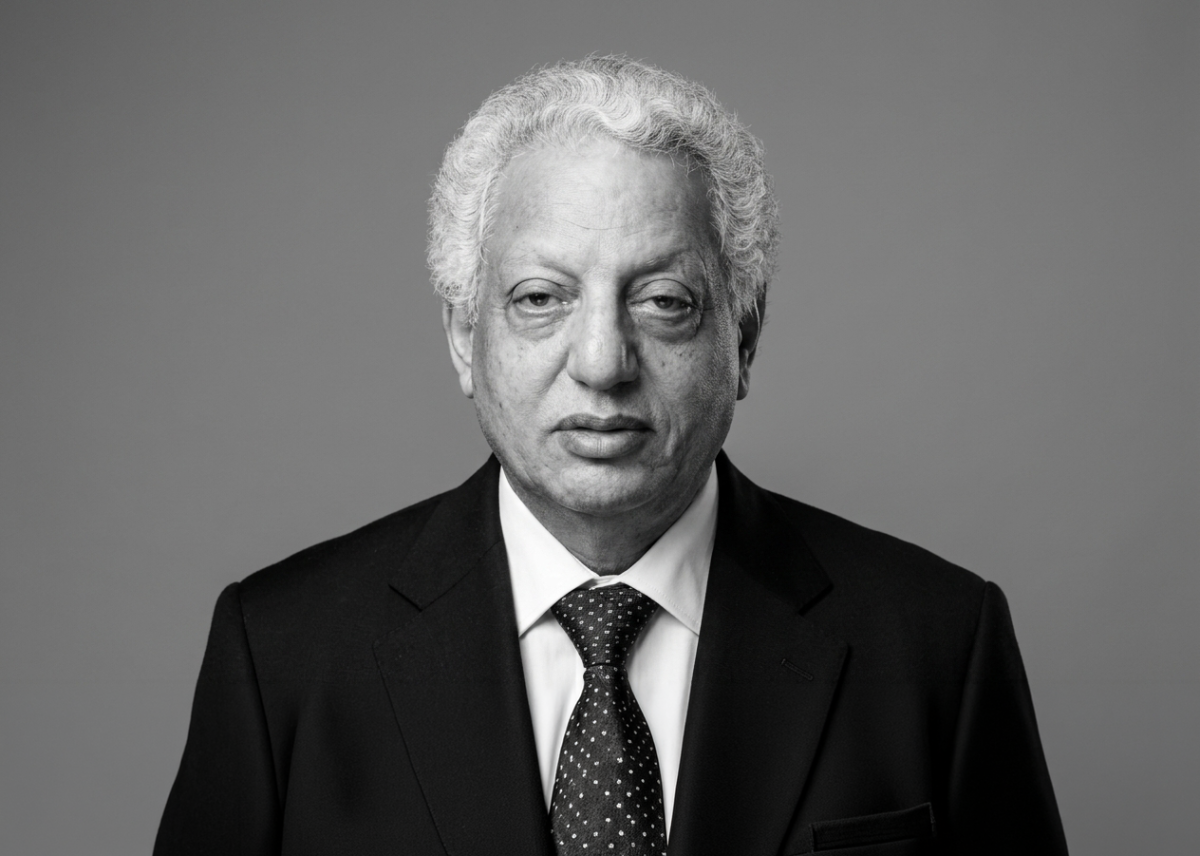
اختير حسن ربيعة الكواري، المدير التنفيذي للمبيعات والتسويق والاتصال في مؤسسة دوري نجوم قطر، رئيساً للجنة تحكيم جوائز قطر للفعاليات 2026، تقديراً لخبراته الواسعة في مجال تنظيم وإدارة الفعاليات والبطولات.
وقاد السيد حسن أعمال لجنة التحكيم خلال معرض قطر للفعاليات (QES) الذي أقيم على مدار ثلاثة أيام، مساهماً بخبرته ورؤيته المستقلة في تقييم المشاركات وتكريم أبرز الأفراد والشركات والفعاليات المتميزة في قطاع الفعاليات.
وشهد المعرض مشاركة أكثر من 5,000 مشارك و50 عارضاً، إلى جانب برنامج متكامل تضمن مؤتمرات وورش عمل وعروضاً حية وفرصاً للتواصل وتبادل الخبرات في قطاع الفعاليات وصناعة الاجتماعات والحوافز والمؤتمرات والمعارض (MICE). xsportfeed.life
Sports Facility Budget Planning: A Complete Guide for Facility Owners
Sports facility budget planning is where ambitious projects either stay on track or quietly spiral into cost overruns that derail construction timelines and operating budgets alike. Whether you’re a school athletic director planning a new gymnasium, a municipal authority developing a community sports complex, or a private facility owner in Doha, getting sports facility budget planning right from the start determines whether your project launches smoothly or stalls under financial pressure. This guide breaks down every major cost category so you can build a realistic, defensible budget.
Why Sports Facility Budget Planning Requires More Than a Single Number
Too many facility owners approach sports facility budget planning by fixating on one headline figure — construction cost, or equipment cost — without accounting for the full range of expenses that compound across a project’s lifecycle. Licensing, fit-out, staffing, ongoing maintenance, and equipment replacement all compete for the same capital, and a budget that only accounts for construction quickly runs into trouble once operational reality sets in.
Effective sports facility budget planning means building a framework that covers capital expenditure (construction, equipment, fit-out) alongside operating expenditure (staffing, utilities, maintenance, insurance) from day one, rather than treating these as separate conversations that happen months apart.
Capital Costs: Construction and Fit-Out
The largest single component of most sports facility budget planning exercises is construction and fit-out. Costs vary enormously depending on facility type and scale:
School and college athletic facilities — Gymnasiums, multi-purpose sports halls, and outdoor courts require structural planning around ceiling clearance, flooring systems, and lighting suited to competitive play, alongside compliance with educational institution safety standards.
Municipal sports complexes — Larger-scale community facilities typically involve multiple court types, spectator seating, and public accessibility requirements that add meaningfully to base construction costs.
Private commercial facilities — Gyms and fitness centers scale more flexibly, with a mid-size commercial facility in Doha commonly requiring a six-figure QAR investment once equipment, flooring, and fit-out are combined.
Qatar’s broader sports infrastructure investment gives useful context here — the state allocated QAR 7.6 billion to the sports sector in the 2026 national budget, reflecting the country’s sustained commitment to sports facility development at every scale, from national stadiums down to community-level projects.
Equipment Costs Within Sports Facility Budget Planning
Equipment represents one of the most variable line items in sports facility budget planning, and it scales directly with facility type and intended use:
- Cardio and strength equipment — For gym-integrated facilities, commercial-grade machines represent significant upfront investment, with genuine manufacturer warranties mattering more long-term than short-term savings from unauthorized imports
- Court surfaces and flooring — Sports flooring systems (PVC, wood, or interlocking tile) vary significantly in cost depending on the sport and expected usage intensity
- Fixed equipment — Basketball hoops, volleyball systems, goal structures, and scoreboards represent one-time capital costs that still require budgeting for eventual replacement
- Safety and accessibility equipment — Padding, signage, and accessibility features are easy to underbudget but essential for compliance and liability protection
Operating Costs Facility Owners Often Underestimate
Sound sports facility budget planning extends well beyond opening day. Ongoing operating costs that facility managers frequently underestimate include:
Staffing — Coaches, facility attendants, maintenance personnel, and administrative staff represent a recurring, significant portion of annual operating budgets.
Utilities — Given Qatar’s climate, air conditioning and ventilation costs for indoor facilities run notably higher than in temperate regions, making this a line item that deserves realistic, season-adjusted estimation rather than a flat annual average.
Maintenance and equipment replacement — Sports equipment and flooring wear down with heavy use, and budgeting an annual maintenance reserve prevents the need for emergency capital requests when equipment fails.
Insurance and compliance — Liability insurance, particularly for facilities serving students or the public, represents a recurring cost that scales with facility size and usage volume.
A Practical Framework for Sports Facility Budget Planning
Building a defensible sports facility budget planning proposal — whether for a school board, municipal council, or private investor — benefits from a structured approach:
1. Define the facility’s core purpose and user base first. A school gymnasium, a municipal multi-sport complex, and a private commercial gym have fundamentally different cost structures, so clarity here shapes every subsequent budget line.
2. Separate capital and operating budgets clearly. Decision-makers evaluating a proposal need to see both the one-time investment and the ongoing annual commitment, not a blended figure that obscures long-term cost.
3. Build in a contingency reserve. Construction and fit-out projects routinely encounter unexpected costs — a 10–15% contingency buffer within your sports facility budget planning protects against mid-project funding gaps.
4. Phase major equipment purchases where possible. Not every piece of equipment needs to be purchased at launch — phasing purchases based on actual usage data can spread capital investment more sustainably.
5. Plan for equipment lifecycle from the outset. Building a replacement reserve into the operating budget from day one avoids the common trap of underfunded maintenance leading to a facility that degrades faster than expected.
Sports Facility Budget Planning for Schools and Colleges
Athletic directors approaching sports facility budget planning for educational institutions face specific constraints — budgets often depend on annual approval cycles, grant funding, or fundraising campaigns rather than a single upfront capital allocation. This makes phased planning particularly valuable: prioritizing core facility elements (safe flooring, essential fixed equipment) first, then expanding amenities as additional funding becomes available.
Sports Facility Budget Planning for Municipal and Public Projects
Municipal facility planning carries additional considerations within sports facility budget planning — public accessibility requirements, community usage projections, and often longer approval and procurement timelines that need to be factored into project scheduling from the earliest planning stages.
Working With Experienced Local Partners
Given how much sports facility budget planning depends on accurate local cost data — construction, climate-adjusted operating costs, and equipment sourcing — working with an experienced local partner in Doha significantly reduces the risk of budget surprises. A partner familiar with Qatar’s specific construction and equipment landscape can provide realistic cost frameworks rather than generic estimates that don’t account for local market conditions.
The Bottom Line
Sports facility budget planning done well accounts for the complete picture: construction, equipment, staffing, utilities, and long-term maintenance, not just the headline construction figure. Facility owners who build contingency reserves, separate capital from operating costs clearly, and plan equipment lifecycle from the outset consistently avoid the funding gaps that derail otherwise well-designed projects.
Frequently Asked Questions
Q1: What’s the biggest mistake facility owners make in sports facility budget planning? Focusing exclusively on construction or equipment costs while underestimating ongoing operating expenses like staffing, utilities, and maintenance reserves.
Q2: How much contingency should be built into a sports facility budget? A 10–15% contingency reserve is a reasonable standard for most construction and fit-out projects, protecting against unexpected costs during the build phase.
Q3: How does Qatar’s climate affect sports facility operating budgets? Air conditioning and ventilation costs for indoor facilities run notably higher in Qatar than in temperate climates, making utilities a larger recurring line item than facility owners in other regions might expect.
Q4: Should equipment be purchased all at once or phased over time? Phasing equipment purchases based on actual usage data can spread capital investment more sustainably, particularly for facilities without a single large upfront funding source.
Q5: How do school and municipal facility budgets differ from private commercial facilities? School and municipal projects often depend on cyclical funding approvals or grants, favoring phased planning, while private commercial facilities typically work from a single upfront capital investment tied to a business plan.
Ready to plan your facility’s equipment budget with real, local pricing? Read our detailed cost breakdown for opening a gym in Qatar or explore our full commercial equipment range with Sports Village Qatar — trusted for institutional and commercial projects across Doha since 2006.
Get a Free Consultation →
Sports Village Qatar  +974 4450 1166 |
 [email protected]
 Building No 86, Street 340, Zone 39, Near Jarir Book Store, Ramada Signal, Salwa Road, Doha, Qatar